
Plumbing Disasters Don’t Start Big—They Start Quiet
Most people think plumbing failures come out of nowhere. They don’t.
They start small. A weird noise. A slow drain. A tiny leak you ignore because it doesn’t feel urgent.
According to the U.S. Environmental Protection Agency (EPA), 10% of homes in the U.S. have leaks that waste 90 gallons or more per day. That’s not from major pipe bursts. That’s from small issues left alone too long.
If you’re in Texas and dealing with these signs, a trusted plumber in Garland will tell you the same thing—big plumbing problems almost always give warnings first.
Let’s go through the ones people ignore the most.
What Are Early Warning Signs of Plumbing Failure?
Simple answer: changes.
Anything that suddenly feels off with your water, pressure, drains, or pipes—that’s your system telling you something isn’t right.
The problem? Most homeowners wait until it becomes obvious. And by then, it’s expensive.
Why People Ignore These Signs (And Regret It Later)
Let’s be honest.
People ignore plumbing issues because:
Water still works
Nothing looks “serious” yet
They don’t want to deal with the cost
I get it. But plumbing doesn’t fix itself. It only gets worse.
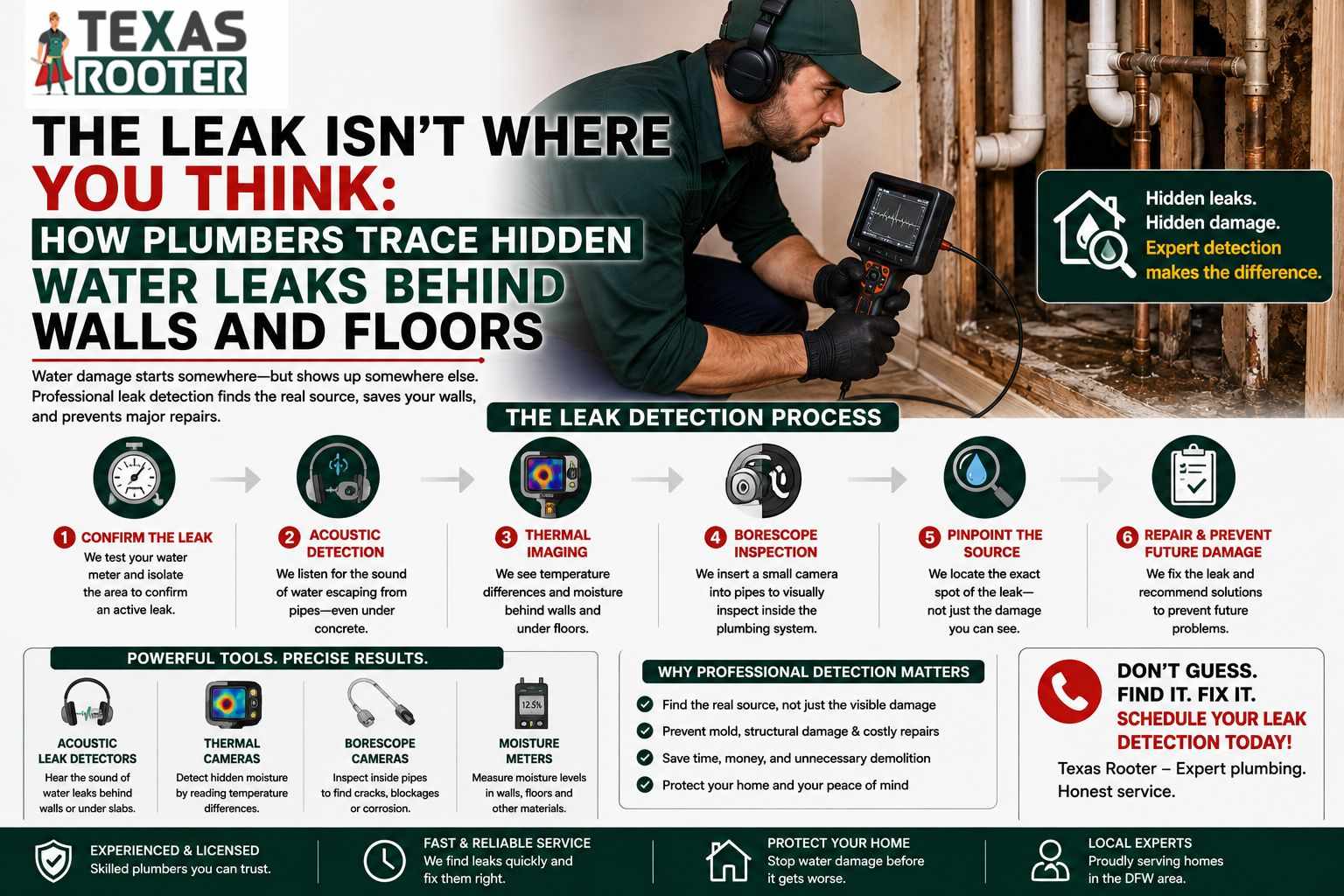
Understanding Sources of a water leak in your home early can help you catch problems before they spread behind walls or under floors.
1. Slow Drains That Keep Coming Back
Why does this happen?
A slow drain isn’t just a clog. It’s a buildup.
Grease, soap, hair, and debris stick to pipe walls over time. Eventually, water can’t move properly.
What usually works
Regular drain cleaning
Using strainers
Fixing buildup early
What often fails
Chemical cleaners
Ignoring recurring slow drains
If the same drain keeps slowing down, something bigger is building up deeper in the pipe.
2. Low Water Pressure (Especially Sudden Drops)
What’s really causing it?
Low pressure is rarely the main problem. It’s a symptom.
It usually points to:
Hidden leaks
Pipe corrosion
Mineral buildup
Simple way to think about it
It’s like drinking through a straw with a blockage.
What works
Pressure testing
Leak detection
What fails
Replacing fixtures without checking pipes
3. Strange Noises in Pipes
Hearing banging or rattling?
That’s not normal.
Noises usually mean:
Air in pipes
Loose fittings
Pressure issues
What works
Securing pipes
Checking pressure levels
What fails
Ignoring it
Pipes don’t make noise for no reason.
4. Unexplained Increase in Water Bills
Why does your bill suddenly jump
If your water usage hasn’t changed but your bill has, you likely have a leak.
And not a visible one.
What works
Checking your water meter
Inspecting for hidden leaks
What fails
Assuming it’s a billing error
This is one of the clearest warning signs—and one of the most ignored.
5. Discolored or Rusty Water
What does this mean?
Brown or yellow water usually points to:
Corroded pipes
Sediment buildup
Aging plumbing
What works
Pipe inspection
Flushing systems
What fails
Ignoring it until it worsens
Rusty water isn’t just ugly. It’s a sign your pipes are breaking down.
6. Frequent Leaks (Even Small Ones)
Why this matters more than you think
One leak? Maybe not a big deal.
Multiple leaks? That’s a system problem.
What works
Fixing the root cause
Inspecting the entire system
What fails
Repairing leaks one by one
This is where homeowners lose money—patching instead of solving.
7. Water Stains on Walls or Ceilings
What’s happening behind the scenes?
Water is escaping somewhere it shouldn’t.
By the time you see stains:
Damage has already spread
Materials may be weakened
Mold could be forming
What works
Immediate inspection
Leak detection
What fails
Painting over the stain
Yes, people actually do that.
8. Bad Smells from Drains or Pipes
Why your home smells like sewage
Bad odors usually mean:
Sewer line issues
Dry traps
Blockages
What works
Cleaning drains
Inspecting sewer lines
What fails
Using air fresheners
Smell is a warning sign, not the problem.
9. Water Heater Acting “Off.”
Subtle signs people ignore
Inconsistent hot water
Strange noises
Slow heating
What works
Regular maintenance
Flushing the tank
What fails
Waiting for no hot water
Water heaters rarely fail without warning.
Quick Breakdown: Early Signs vs What They Lead To

Patterns matter. Don’t ignore them.
Real Example from Garland
A homeowner noticed:
Slight drop in pressure
Small leak under the sink
Ignored it for months.
Then:
Pipe burst behind the wall
Major water damage
Expensive repairs
This is how it usually goes. Small signs first. Big problems later.
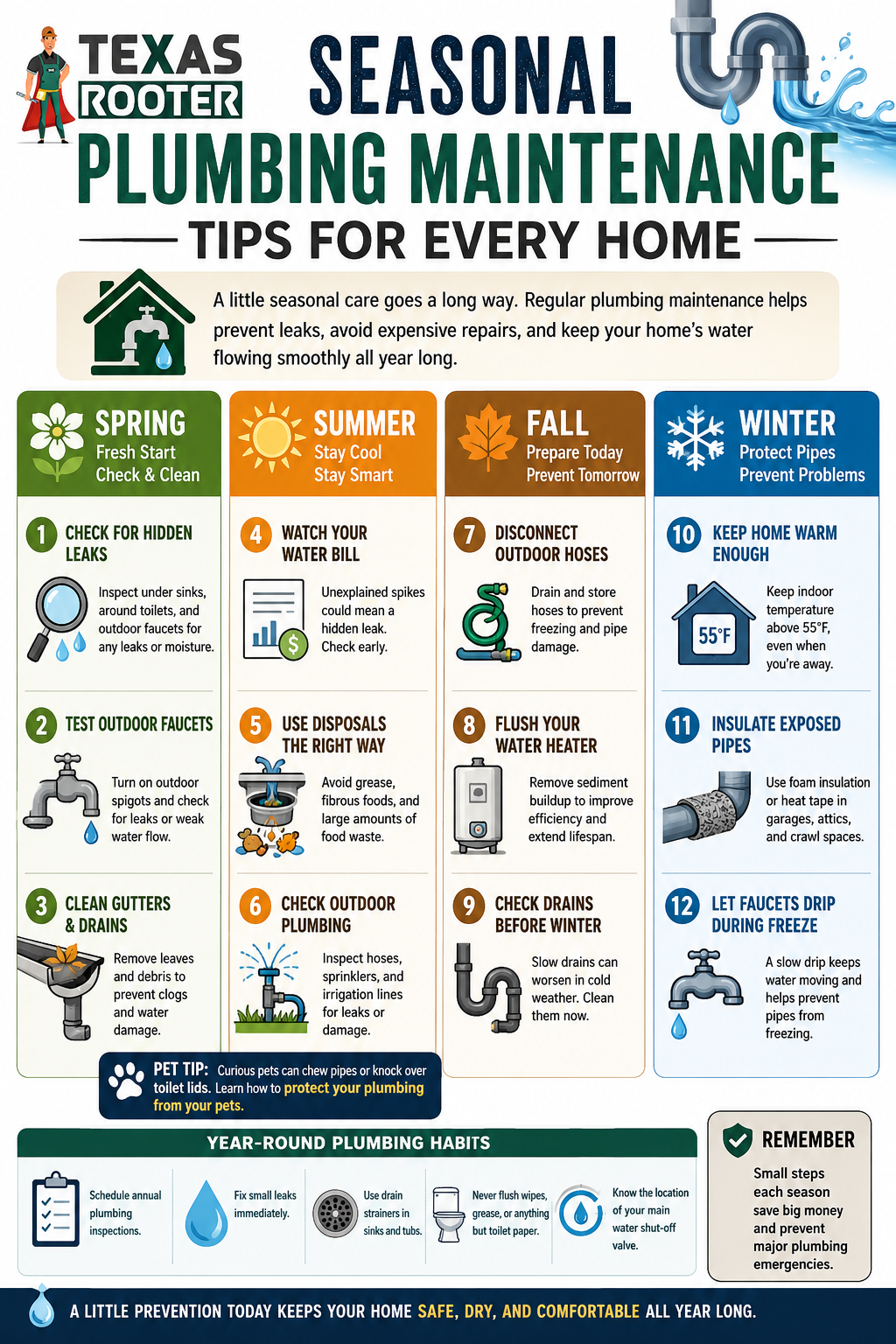
What Actually Prevents Major Plumbing Failures
What works
Fixing issues early
Annual inspections
Watching for changes
What fails
Waiting for visible damage
DIY fixes that don’t last
Ignoring patterns
Prevention feels unnecessary—until it isn’t.
My Honest Opinion After Years of Seeing This
Here’s the truth:
Most major plumbing failures are predictable. People just ignore the signs.
It’s not bad luck. It’s a delayed action.
If something changes—pressure, sound, smell—it’s worth checking. Every time.
FAQs
How early should I act on plumbing issues?
Immediately. Small problems don’t stay small.
Are all leaks serious?
Not all—but repeated leaks usually are.
How often should plumbing be inspected?
Once a year for older homes.
Can I fix these issues myself?
Some, yes. But recurring problems need professional inspection.
Final Thoughts
Plumbing doesn’t fail without warning. It gives signs. Most of them are easy to catch.
The real problem isn’t the plumbing—it’s waiting too long.
If your home feels even slightly “off,” it’s worth checking. A reliable plumber in Garland can spot problems early and save you from bigger damage later.
Because once plumbing fails, it doesn’t fail quietly.
Key Takeaways
Small plumbing issues grow into major failures
Most problems give early warning signs
Ignoring signs leads to higher costs
Prevention is always cheaper than repair
Early action saves stress and money



Write a comment ...